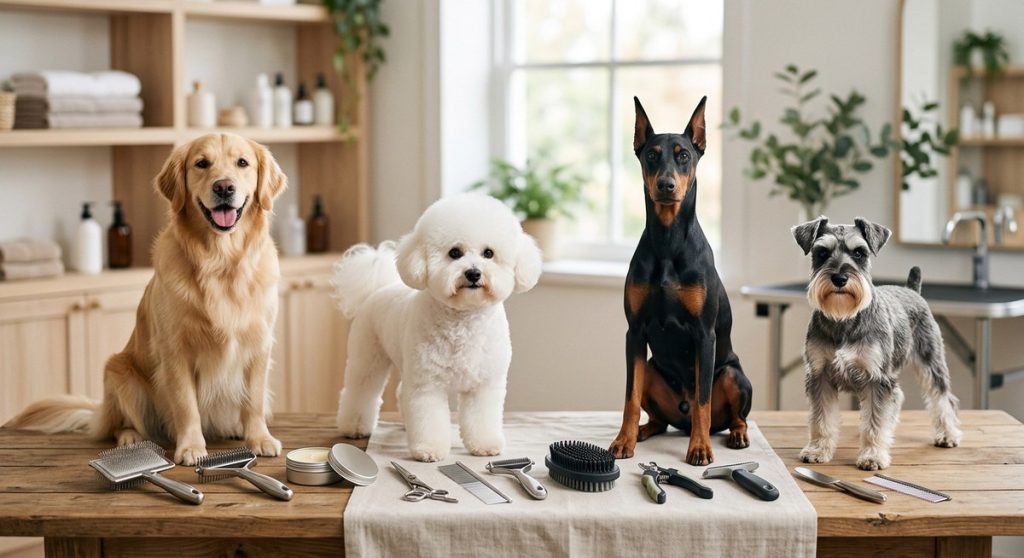
Grooming your dog is more than a quick brushing session. It is a care ritual that supports health, comfort, and a stress free grooming experience. At BunburyDogGrooming.com we believe every dog deserves a grooming plan that matches their coat type, breed tendencies, and individual needs. Whether you own a sleek bulldog or a fluffy poodle mix, the right tools make all the difference in quality of care, ease for you, and a happier pup at the end of the day.
Understanding coat types and selecting the best grooming tools can feel overwhelming at first. This guide is here to help you navigate the world of dog brushes, combs, and tools with confidence. We will cover breed oriented tool picks, practical usage tips, and safety considerations so you can build a reliable grooming routine that suits your dog and your schedule.
Understanding Coat Types and Tool Essentials
Different dog coats require different tools. Below you will find concise guidance on common coat families and the tools that work best for each. Think of these as a starter kit you can personalize over time.
Short and Smooth Coats
- Examples: Beagle, Boxer, Bulldog, Labrador, Greyhound
- Best tools: rubber curry brush for scaling and stimulating the skin, soft bristle brush for finishing, gentle deshedding tool for occasional shedding, and a pin brush for quick detangling if needed.
- Why these tools: short coats shed, but mats are rare. A rubber curry helps improve circulation and distribute natural oils, while a soft bristle brush gives a clean finish without irritating the skin.
Long and Silky Coats
- Examples: Shih Tzu, Lhasa Apso, Maltese, Yorkshire Terrier
- Best tools: pin brush for gentle detangling, slicker brush for removing knots, wide tooth comb for thorough work at the roots, detangler spray for tough tangles, and small stainless steel scissors for trimming around paws and eyes.
- Why these tools: long coats are prone to tangles and mats. A combination of a pin brush and slicker helps loosen knots gradually while a comb finishes the job without snagging.
Double Coats
- Examples: German Shepherd, Siberian Husky, Labrador Retriever, Golden Retriever
- Best tools: undercoat rake or deshedding tool to reach dense undercoats, slicker brush for surface brushing, pin brush for smoothing, and a deshedding tool for seasonal shedding.
- Why these tools: double coats shed heavily during seasonal changes. Undercoat focused tools speed up removal of loose fur and help prevent mat formation in heavy shedding periods.
Curly and Wiry Coats
- Examples: Poodle, Bichon Frise, Schnauzer, Kerry Blue Terrier
- Best tools: slicker brush with soft pins, comb for separating curl patterns, poodle rake for deep detangling, and grooming scissors for shaping.
- Why these tools: curls and wiry textures demand precise detangling and shaping. Regular use of a slicker and rake helps maintain curl structure and coat health.
Small and Delicate Breeds
- Examples: Yorkshire Terrier, Chihuahua, Papillon
- Best tools: small wide toothed comb for detangling, fine toothed comb for precision, soft bristle brush to avoid skin irritation, and nail clippers designed for small nails.
- Why these tools: tiny breeds have delicate skin and often double love for careful handling. Small tools provide better control and reduce the risk of accidental injury.
Senior Dogs and Health Considerations
- Examples: seniors across any breed
- Best tools: soft bristle brush, rubber brush for gentle removal of loose fur, grooming wipes for quick cleanups, tearless or mild shampoo for sensitive skin, and a textured grooming glove to reduce friction.
- Why these tools: aging dogs may have sensitive skin, arthritis or limited mobility. Gentle tools paired with shorter sessions are ideal for comfort and safety.
Breed Specific Tool Guides
While coat type is a strong predictor of tool needs, breed tendencies also play a role. Here are practical, breed oriented recommendations that many BunburyDogGrooming.com readers find useful when building their grooming kit.
Short Coat Champions: Beagle, Boxer, Bulldog
- Primary tools: rubber curry brush, soft bristle brush, deshedding tool, small slicker for stubborn mats, and a nail grinder for quick maintenance.
- Focus areas: back and sides for brushing, chest and neck for circulation, and paws for nail care. Short coats benefit from regular but gentle brushing to spread natural oils and reduce shedding hotspots.
Long Coat Lovers: Shih Tzu, Maltese, Lhasa Apso, Yorkie
- Primary tools: pin brush, slicker brush, wide tooth comb, detangler spray, grooming scissors for minor trims.
- Focus areas: ears, chest, and legs where mats form first. Consistency is key; aim for daily quick sessions to keep mats away and coats healthy.
Double Coat Dynamos: German Shepherd, Husky, Labrador, Golden Retriever
- Primary tools: undercoat rake or deshedding tool, slicker brush, pin brush, and a high quality grooming glove for finishing touches.
- Focus areas: throughout the body with extra attention to the chest and hindquarters where shedding can accumulate. Seasonal shedding is common, so plan for more frequent brushing.
Curly and Wiry Coat Stars: Poodle, Bichon Frise, Schnauzer
- Primary tools: slicker brush, poodle rake, comb with both wide and tight teeth, grooming scissors for trims, and a dethatching tool designed for curly coats.
- Focus areas: maintain curl pattern, prevent matting behind ears and at the elbows, and trim around eyes and paws to ensure comfort and visibility.
Small and Delicate Crew: Yorkie, Chihuahua
- Primary tools: small combs, fine toothed comb, soft bristle brush, and small nail clippers.
- Focus areas: keep face and feet clear, handle gently around the neck and spine, monitor skin for sensitivity.
Senior and Skin Sensitive Groups
- Primary tools: soft bristle brush, rubber curry, grooming wipes, tearless shampoo.
- Focus areas: paws, ears, and joints. Break grooming into shorter sessions to reduce stress and fatigue.
The All Purpose Grooming Toolkit
Whether you own one dog or a multi-pet household, these tools provide a reliable baseline that covers most breeds and coat types. You can customize by adding breed specific items as needed.
- Rubber curry brush: great for daily stimulation and gentle fur lifting.
- Soft bristle brush: ideal for finishing to a glossy look.
- Pin brush: safe detangling for long or curly coats.
- Slicker brush: effective for knot removal and deeper cleaning; choose one with gentle pins for sensitive skin.
- Undercoat rake or deshedding tool: essential for double coats during seasonal shedding.
- Dematting tool or wide tooth comb: helps break up mats before they tighten.
- Detangler spray: makes tangle removal easier and protects the coat.
- Stainless steel combs: both wide and fine teeth for precision tasks.
- Nail clippers and a nail grinder: keep nails short and comfortable; use grinders for smooth edges.
- Ear cleaning solution and cotton balls: maintain ear health and reduce infection risk.
- Dog safe shampoo and conditioner: choose mild formulas that suit sensitive skin.
- Grooming scissors and thinning scissors: for trimming around paws, eyes, and shaping.
- Grooming wipes and towels: quick cleanups during sessions.
- A quality grooming table or a non slip mat at home: supports safety and posture.
- A small towel for warmth and comfort during sessions.
Tips for building your toolkit
– Start with a core set and upgrade as you learn what your dog tolerates and enjoys.
– Always check tool quality. A high quality tool protects your dog from skin irritation and improves results over time.
– Keep tools clean and dry to extend their life and minimize skin issues.
– For dogs with sensitive skin, progress slowly with deshedding tools and avoid over brushing.
Brushing Techniques for Different Coats
A consistent technique yields better results and happier dogs. Here are practical methods to apply the right brush to the right coat.
- Short coats: Brush once daily with a rubber curry or soft bristle brush. Use slow, even strokes in the direction of hair growth. Finish with a light pass to remove loose fur.
- Long coats: Brush daily to prevent mats. Start at the roots and work toward the tips with a pin brush, then use a wide tooth comb to go through the length and finish with a slicker brush for a polished look.
- Double coats: Brush in sections, focusing on the topcoat first then the undercoat. Use an undercoat rake or deshedding tool in a gentle, multi directional pattern to free loose fur without pulling skin.
- Curly coats: Work in small sections and use a combination of slicker brush and poodle rake for deep detangling. Comb through after each brush pass to catch hidden mats.
- Small or delicate coats: Use gentle strokes with a small soft brush or comb. Be mindful of sensitive areas around the face and neck; use a calm voice and treat breaks.
- Finishing pass: Always complete with a soft bristle brush to add shine and distribute natural oils.
Brushing frequency guidelines
– Daily for long and curly coats.
– Several times a week for short coats.
– Weekly to bi weekly for double coats when not in peak shedding season.
– More frequent brushing during seasonal shedding to manage loose fur.
Grooming Safety and Comfort
Grooming should be a positive, low stress routine for your dog. Here are ways to keep sessions safe and comfortable.
- Create a calm environment. Use soft lighting and play gentle music if your dog enjoys it.
- Use slow and patient movements. Reward approach with treats and praise.
- Break sessions into multiple short segments if your dog becomes restless.
- Be mindful of sensitive areas. Avoid brushing directly over medical hotspots without veterinary guidance.
- Inspect skin as you go. Look for redness, swelling, or signs of irritation and adjust tools or routines accordingly.
- Keep tools clean. Clean brushes after each session and disinfect when appropriate to prevent skin issues.
- Consider a grooming glove for dogs who dislike brushing on certain areas. The glove provides a gentler touch.
Common Mistakes to Avoid
Even experienced owners slip up from time to time. Here are common mistakes and how to prevent them.
- Brushing too hard. It can irritate skin, cause mats to tighten, and create fear of brushing.
- Using the wrong brush for a coat type. This can damage fur and skin and increase shedding.
- Skipping detangling steps on long coats. Mats become more difficult to remove over time.
- Over bathing or washing too often. This strips natural oils and dries skin.
- Not cleaning tools after use. Bacteria and residue can irritate skin on future sessions.
- Neglecting nails and ears. Regular maintenance prevents discomfort and infection.
Frequently Asked Questions
- How do I know what brush to get my dog?
-
Start with your dog’s coat type. For most dogs, a gentle rubber curry brush or soft bristle brush sets the base. Add a pin brush or slicker as needed for detangling and finishing. For double coats, an undercoat rake is essential during shedding season.
-
What do groomers use to brush dogs?
-
Groomers often use a mix of tools tailored to coat type. They commonly have a pin brush for gentle detangling, a slicker brush for knot removal, a deshedding tool or undercoat rake for heavy shedding, and a comb for precision work near the face and paws.
-
How often should I brush for each coat type?
- Short coats: several times a week or daily.
- Long coats: daily brushing with detangling steps.
- Double coats: regular brushing during shedding season, with intensified sessions weekly.
- Curly coats: daily or every other day depending on coat condition.
-
Small breeds: 2 to 5 times per week depending on coat length and activity.
-
Are deshedding tools safe for dogs?
- When used correctly and for the appropriate coat type, deshedding tools can be safe and effective. Follow product instructions, use gentle pressure, and avoid overuse on sensitive skin. If your dog shows discomfort, discontinue use and consult a groomer or vet.
Grooming for Health and Happiness
Grooming is an investment in your dog’s health and happiness. Regular brushing reduces the risk of skin infections, helps detect lumps or skin changes early, and supports overall coat health. It also creates a bond between you and your dog as you establish a routine built on trust, comfort, and positive reinforcement.
Remember, a well groomed dog is a healthy and confident dog. The right tools can transform grooming from a chore into a soothing, daily ritual that your dog looks forward to. If you are not sure which tools are best for your dog, start with a basic toolkit and observe how your dog reacts. You can always add specialty tools as you gain experience and see what your dog tolerates best.
Bringing It All Together
The Best Grooming Tools for Different Dog Breeds is a guide for pet parents who want to tailor care to coat type and breed tendencies. By selecting breed appropriate tools, sticking to a regular brushing schedule, and focusing on comfort and safety, you can keep your dog looking and feeling great between professional grooming sessions.
At BunburyDogGrooming.com we celebrate the diversity of dog coats and the joy of compassionate grooming. Our breed focused guides and product recommendations aim to empower you to groom with confidence. If you enjoyed this guide, consider subscribing for more breed specific tips, tool reviews, and step by step grooming plans. Share your own grooming routine in the comments and tell us which tools your dog loves or hates, so we can learn together.
If you are ready to build out your grooming kit, start with a solid core set and then tailor for breed needs. Your dog will thank you with a healthier coat, less shedding around the house, and more stress free grooming sessions.