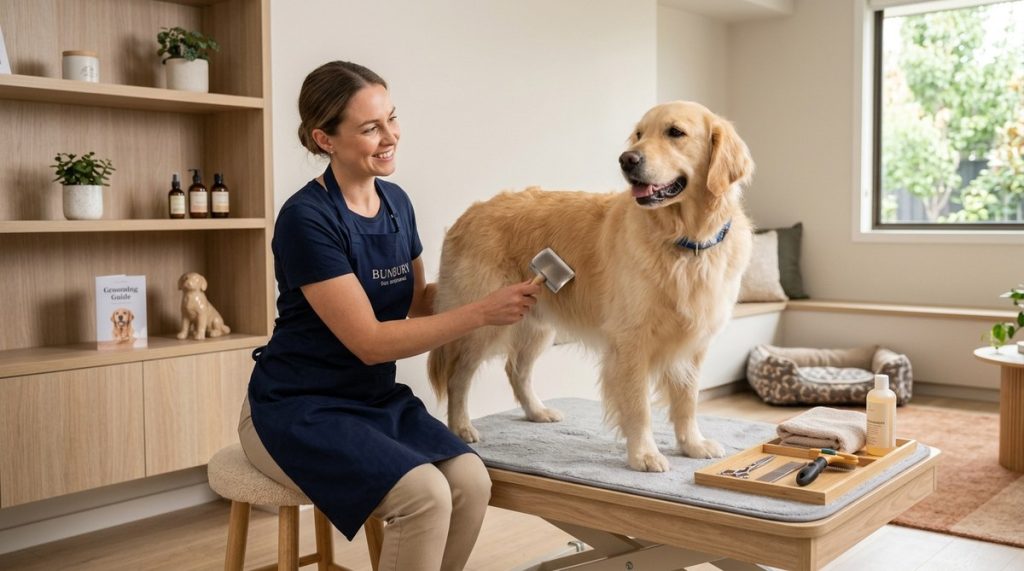
Grooming your dog at home can be a rewarding routine that strengthens your bond, saves money, and keeps your pup healthy and comfortable. But safety and patience matter just as much as technique. At BunburyDogGrooming.com we know that a calm, stress free grooming session is a win for both you and your dog. This comprehensive guide walks you through every step, from setting up a soothing space to the precise ways to brush, bathe, trim nails, clean ears, and even care for teeth and eyes. Whether you have a tiny lap dog or a fluffy Bouvier, you can build a safe, effective at home grooming routine that respects your dog’s breed, temperament, and health.
Why groom at home
Grooming at home comes with real benefits:
– It saves time and money while still keeping your dog clean, healthy, and looking great.
– Regular grooming lets you check for skin problems, lumps, parasites, or dental issues early.
– A predictable routine reduces stress by turning grooming into a calm, associative experience.
– You control the environment, ensuring a gentle pace, soft voices, and plenty of treats.
Of course, some dogs benefit from professional help for certain tasks or difficult coats. The goal is to know when to press on at home and when to seek a groomer or veterinarian. BunburyDogGrooming.com provides breed specific tips and product recommendations to help you decide.
Preparing for a safe grooming session
A successful session starts with preparation. Here are practical steps to set you up for safety and success:
- Create a calm space: choose a quiet room with good lighting, minimal distractions, and a non slip surface.
- Gather your supplies: have everything within reach before you start. This reduces stress and helps you maintain a steady pace.
- Check your dog’s mood and health: if your dog is anxious, in pain, or recovering from surgery, consult your vet before grooming at home.
- Use a leash or harness: clip a short leash to your dog to prevent sudden movements, especially when you are approaching sensitive areas.
- Pace and treat cadence: plan short, positive sessions and reward frequently with praise or tasty treats.
- Safety first: keep scissors and clippers away from the dog’s face and avoid thin blades near the eyes. Use rounded safety scissors for trimming around the face if needed.
The essential grooming toolkit
A well chosen toolkit makes home grooming safer and more effective. Here is a practical starter kit and some notes on choosing the right tool for your dog.
What to include
- Deshedding slicker brush or a pin brush
- Bristle brush for finishing stokes and smoothing
- Wide tooth comb for detangling and checking coat health
- Nail clippers designed for dogs plus a nail grinder (optional)
- Styptic powder or styptic pencil to stop minor bleeding if a quick cut occurs
- Dog safe shampoo and conditioner (avoid human shampoo)
- Ear cleaning solution and cotton balls or gauze
- Eye wipes or damp cloth for gentle cleaning around the eyes
- Towels and a non slip bath mat or grooming mat
- Hair dryer with a cool or low heat setting
- Detangler spray or leave in conditioner for mats
- Towels for drying and a separate towel to place under your dog during grooming
- Toothpaste and a dog toothbrush or finger brush
- A grooming table or sturdy elevated surface if your dog is large or wiggly
- A brush or comb tailored to your dog’s coat type
How to choose by coat type
- Short hair: focus on brushing to remove loose hair and distribute natural oils; a simple bristle brush and a daily quick combing can do wonders.
- Medium to long coat: use a slicker brush followed by a wide tooth comb; detangling spray helps smooth mats.
- Thick double coats: schedule more frequent brushing, especially during shedding seasons; consider a deshedding tool to manage undercoat.
- Sensitive skin: opt for soft brushes, minimal pressure, and fragrance free grooming products.
Step by step: grooming your dog at home
Below is a practical, beginner friendly sequence you can follow. Adapt times to your dog’s temperament and coat length.
Step 1: Brush and detangle
- Start with a quick, gentle brush to remove loose fur and check for tangles.
- For mats, work slowly with a detangler spray or conditioner. Hold the base of the mat and gently tease it apart with a comb, never yank.
- Brush in the direction of hair growth, and finish with light strokes to smooth the coat.
- Reward your dog after each successful brushing session to build a positive association.
Step 2: Bathing
- Before you start, brush out major tangles so they do not tighten in water.
- Use lukewarm water and avoid spraying directly into the ears or eyes.
- Apply a small amount of dog shampoo, working from neck to tail and down the legs. For dogs with sensitive skin, consider a hypoallergenic formula and avoid heavy fragrances.
- Rinse thoroughly to remove all soap residue, which can irritate skin and cause itching.
- If you notice dry skin or hotspots after a bath, you may be over bathing or using a harsh product. Adjust frequency accordingly.
Step 3: Drying
- Gently squeeze excess water with hands and softly blot with a towel.
- Use a hair dryer on the cool or low heat setting. Keep the dryer at a safe distance and move it constantly to avoid heat buildup.
- For dogs with heavy coats, you can finish drying with the natural air method outside or in a well ventilated room.
Step 4: Trim nails
- Inspect nails before trimming and trim little by little to avoid hitting the quick.
- If you are unsure where the quick ends, trim small amounts (2-3 mm) and check the nail color or if there is a visible pink line indicating the quick.
- Use a nail grinder to smooth edges after clipping. If you accidentally cut the quick, use styptic powder to stop the bleeding promptly.
- Provide a calm environment and offer treats between nails to keep the experience positive.
Step 5: Ear care
- Use a dog ear cleaning solution and a cotton ball or gauze to gently wipe the outer ear.
- Do not insert anything deep into the ear canal. If you detect waxy buildup or odor, consult your vet.
- Check for redness, swelling, or discharge. Those can be signs of infection requiring veterinary care.
Step 6: Eye and facial care
- Wipe away discharge with a damp, clean cloth or eye wipes designed for dogs.
- For long faced breeds, use a comb to remove loose hair around the eyes to prevent irritation.
- Be careful around delicate eye areas; never pull hair directly from the eye.
Step 7: Teeth care
- Introduce brushing gradually with a dog friendly toothpaste and a small brush.
- Start with a few seconds of brushing and slowly increase to two minutes as your dog becomes more comfortable.
- Regular brushing helps reduce plaque and freshens breath, a key part of overall grooming.
Step 8: Finishing touches and praise
- Give a final brush to smooth the coat and remove any remaining loose hair.
- Offer a special treat or favorite toy to reward calm behavior and reinforce a positive experience.
Breed specific tips
Different breeds have different grooming needs. Here are a few general guidelines to tailor your routine.
Short haired dogs
- Brush weekly to remove loose fur and check for skin changes.
- Bath every 4 to 8 weeks depending on activity level and coat condition.
- Focus on nail care and dental hygiene, which are often overlooked when coats are short.
Long haired breeds
- Brush daily or every other day to prevent tangling.
- Consider regular professional trims for hard to manage areas such as legs, behind the ears, and around the paws.
- Use detangling sprays and frequent conditioning to maintain a healthy coat.
Double coated dogs
- Use deshedding tools during shedding seasons to reduce undercoat buildup.
- Be mindful not to damage the topcoat with aggressive brushing. Work from the ends toward the skin.
Small and toy breeds
- Short sessions are best; their skin and nerves can be sensitive.
- Focus on nail care, dental care, and eye cleanliness to prevent common issues that arise from close contact with facial features.
Dogs with sensitive skin or allergies
- Choose fragrance free or hypoallergenic products.
- Limit baths to needed frequency to prevent drying the skin.
- Always patch test a new product on a small skin area before full use.
Common grooming issues and how to handle them
- Mats and tangles: Break them apart slowly with detangling spray and comb, or seek a professional if tangles are severe.
- Dry skin and hotspots: Check your dog’s diet, bathing frequency, and consider a skin soothing conditioner or consultation with a vet if hotspots persist.
- Fleas and ticks: If you find pests, talk to your vet about safe treatments and check all family pets. Do gentle grooming, but avoid aggressive flea combing that can irritate the skin.
- Tear staining and eye discharge: Clean around the eyes with damp cloths or wipes designed for dogs. Do not use harsh chemicals around eyes.
- Anal gland issues: Do not attempt to express glands at home. If your dog shows signs of discomfort or swelling, contact your vet. A professional groomer can assist when needed.
Safety and stress management during grooming
- Watch for stress signals: yawning, lip licking, avoidance, tail tucking, or trying to move away.
- Break sessions into short rounds and end on a positive note.
- Use calm, reassuring voice and gentle touch. Avoid force or punishment.
- Keep sessions at the dog’s pace; longer sessions may require breaks or separate grooming days.
When to call a pro
Grooming at home is a great skill, but there are times to bring in a professional:
– If the coat is severely matted or tangled
– If you encounter stubborn nail trimming or quicks that bleed repeatedly
– If your dog shows signs of fear or aggression during grooming
– If there are persistent skin problems, redness, swelling, or infections
– If you are not sure about breed specific grooming requirements
A professional groomer can handle tricky cuts and complicated coats while preserving your dog’s health and comfort. BunburyDogGrooming.com supports responsible self grooming and knows when to refer you to a pro when necessary.
Maintenance and routine planning
- Create a flexible routine: plan grooming sessions every 4 to 6 weeks for most dogs, but adjust based on coat type and activity level.
- Maintain a checklist: keep a simple checklist of tools, products, and routines so you do not miss steps.
- Monitor changes between sessions: skin condition, coat texture, nails length, ear odor, or eye discharge may indicate a health issue.
- Rotate products mindfully: if you switch shampoos or conditioners, introduce them gradually and observe for any irritation.
Frequently asked questions
How often should I brush my dog
Most dogs benefit from brushing several times a week, with daily brushing for long coated breeds during shedding seasons. Short hair dogs can be brushed weekly to keep skin and coat in good condition.
Can I use human shampoo on my dog
No, human shampoos may irritate a dog’s skin. Use a pH balanced dog shampoo designed for canine skin.
Is it okay to groom my dog at home
Yes, with patience, the right tools, and an understanding of your dog’s breed and health. Some tasks may require veterinary or professional help.
What is the best age to start home grooming
Start grooming as a puppy with gentle handling and positive reinforcement. Short, frequent sessions help dogs acclimate and reduce fear.
How can I tell if grooming is causing my dog distress
If your dog shows persistent signs of fear, aggression, trembling, or tries to hide, consider pausing the session and consulting a professional for guidance.
When should I trim around the face and eyes
Be cautious around the eyes and face. If you are not confident, seek guidance from a reputable groomer or vet. For many dogs, clipping around the eyes is delicate work and requires slow, careful handling.
How can I tell if my dog needs a professional
If mats are severe, if nails are thick or you cannot trim them safely, if you notice skin problems, or if your dog is extremely stressed by grooming, professional help is best.
Bonus: making grooming a positive routine
- Pair grooming with positive experiences: end sessions with a favorite treat, toy, or playtime.
- Keep the space inviting: soft lighting, comfortable temperature, and a quiet environment help reduce anxiety.
- Track progress: note what works, what doesn’t, coat changes, and how your dog responds to different tools or products.
- Include breed specific tips: tailor routines to your dog’s coat type, length, and body shape.
At BunburyDogGrooming.com we believe in empowering owners to groom with confidence. Our guides cover breed specific tips, product advice, and step by step techniques to help you create a safer, more comfortable grooming experience for your dog. By understanding your dog’s needs and approaching grooming calmly, you can turn a routine into a bonding activity that keeps your dog happy, healthy, and full of confidence.
If you want more tailored guidance for your dog breed or coat type, explore our breed specific grooming guides and recommended products. You can also check out our other Dog Grooming Guides for deeper dives into deshedding, mat prevention, and stress reduction techniques. Happy grooming, and give your pup an extra pat today from the Bunbury team.